The Supreme Court Monday said that it “agreed in principle” with the contention by a petitioner that caste enumeration in the upcoming census cannot be on the basis of mere self-declaration and asked the centre and census authorities to look into this
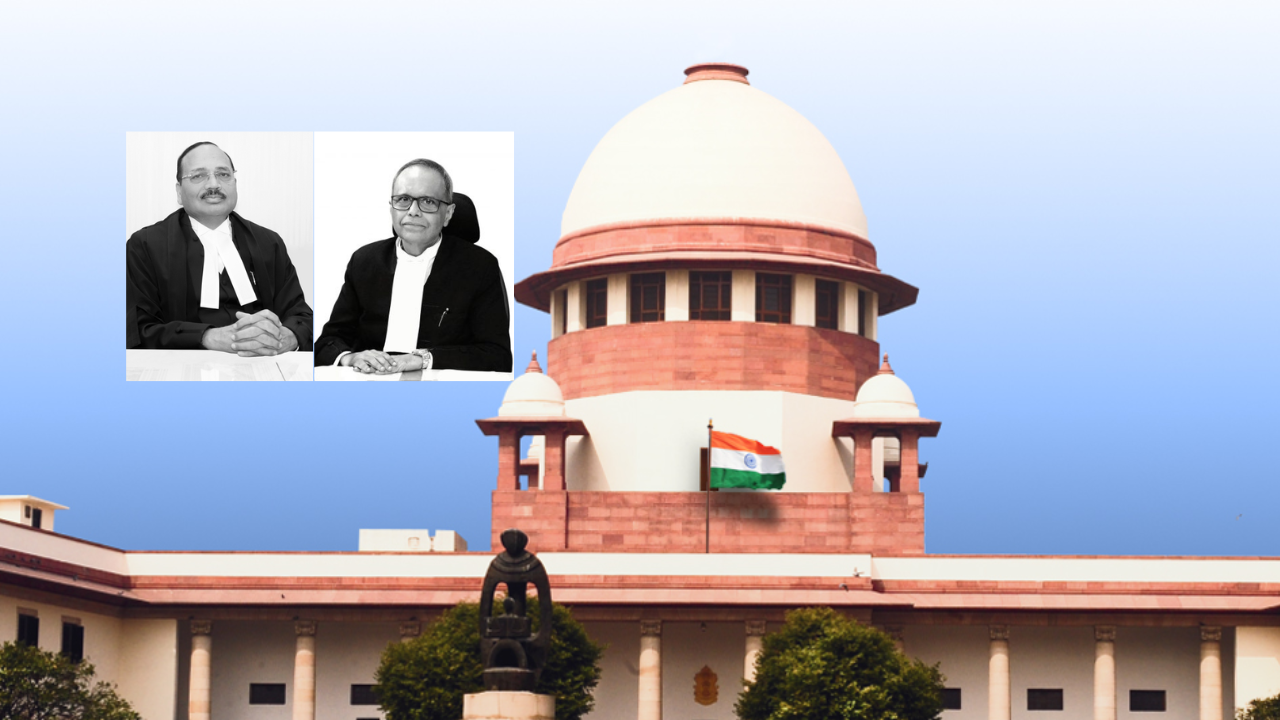
“In principle we agree with you. Nothing should be included or excluded based upon a certificate, the genuineness of which might be either doubtful or unverified,” Chief Justice of India Surya Kant said while hearing the petition by Aakash Goel, a resident of the national capital.
The bench also comprising Justice Joymalya Bagchi termed it a “relevant issue” and asked authorities to consider.
The court pointed out that the census exercise is regulated under the Census Act, 1948, and the 1990 Rules framed thereunder which empower the respondents to determine the particulars and manner of census operations and that “we have no reason to doubt that the respondent authorities with the aid and assistance of the domain experts must have evolved a robust mechanism in order to rule out any mistake as apprehended by the petitioner or several like-minded persons.”
It added, “nevertheless, we find that the petitioner has flagged some of the relevant issues in the legal notice dated July 9, 2025 addressed to the Registrar General and Census Commissioner of India as well as the Directorate of Census Operations.”
The court accordingly disposed of the writ petition “with a direction to the respondent authorities to consider the suggestions/issues raised by and on behalf of the petitioner in the… legal notice.” It also allowed the petitioner to share a copy of his petition with the authorities “as supplementary representation” and asked authorities to take it into account.
Goel while pointing out that while the preparatory and pre-test exercises for Census 2027 have already been initiated, “it is an admitted position that no guidelines, questionnaire, or notified framework has been placed in the public domain explaining how caste data is to be recorded, classified, or verified. In particular, the Respondents have not disclosed any pre-determined criteria or standardised methodology governing the recording of caste identity, despite the acknowledged expansion of caste enumeration beyond SC/ST categories to include OBCs for the first time in an official census exercise.”
He expressed apprehension that “in the absence of any notified framework or verification mechanism, caste enumeration risks being reduced to unverified ·self-declaration, with no safeguards against overcounting, undercounting, ·misclassification, or internal inconsistency. Without a uniform classification or validation process, the data generated is likely to be fragmented, unreliable, and unsuitable for meaningful policy application, thereby undermining the very purpose of the census.”
His counsel Senior Advocate Mukta Gupta said the petitioner was not opposing the census but only saying that the enumeration should be on the basis of some verified material. She said that “a self-declaration without verifying can be very hazardous.”